

Markyeg
Active Member
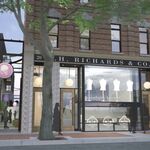
There's a high-end lingerie shop opening next the Eye District in Stantec Tower.
Street facing entrance or through Stantec?
|
|
|
There's a high-end lingerie shop opening next the Eye District in Stantec Tower.

WFH was basically a temporary response to an unprecedented event, if someone on our past city council promised that would be permanent I feel that was rather foolish of them.He also mentioned the importance of 'staying true to our word' (with the unions), but I do then ask, what about staying true to
Here's hoping that with the Feds coming back that the City does in fact move back to at least a 4 day work week for most and brings back a number of those who now mostly/fully work from home where possible. I don't expect all roles/positions to return as we have indeed 'evolved with the times', but still strongly believe that a good % should return.
I believe the bay to the west of Eye District, so yes.


I don't think anyone is disputing the importance of people spending money downtown. It's just a matter of details. For example, the Infill Infrastructure Fund's webpage says that the supports it spent an average of $8,794 per unit. If we assume an average of 1.3 people per unit, that works out to around 730 new residents. Around 1,280 city staff work hybrid as of January, 2026. So then it comes down to what kind of downtown we want going forward. Do we want to bring 1,280 people into the office 5x a week instead of 2x per week, and aim for a downtown that is vibrant during weekday business hours but pretty desolate the rest of the time; or do we want to have an additional 730ish residents that have the potential to support downtown 24/7, while also filling in some more empty lots?Seems to me like that's having it both ways. Is having people spend money in Downtown important or not?
To the contrary, I'd argue that the past few years have been quite fruitful on that front. The Warehouse Park has led to 1,800 residential units on adjacent properties being planned, under construction, or already completed. The Infill Infrastructure Fund has supported more than 4,400 units, many of-which are downtown (some of-which are by Warehouse Park, but not all). The Downtown Student Housing Incentive will fund a minimum of 500 units for students, and the projects must have a building permit by November 2026. The CRL extension means that hundreds more units will be built north of Rogers Place by 2028, with thousands more to follow over the coming ten years. The extension also brings us an Attainable Housing Fund, with details TBD (the council package was delayed to allow for negotiations with the province and private industry to improve the program that gets recommended to council).The fact city hall continues to use limited tax dollars for various initiatives to compel people to come downtown. And it STILL isn't working.

I go out of my way to shop and eat downtown, I visit downtown's parks, I write council in support of motions that fund services and initiatives that support downtown, and just like you I want even more people to support our downtown; even if we disagree on the methods to increase that customer base.
I would agree it is not all bad. However without more economic activity (ie. jobs) I feel there are limits to the number of people who will want to live downtown, so we also need to bring more jobs to (and back to) downtown.To the contrary, I'd argue that the past few years have been quite fruitful on that front. The Warehouse Park has led to 1,800 residential units on adjacent properties being planned, under construction, or already completed. The Infill Infrastructure Fund has supported more than 4,400 units, many of-which are downtown (some of-which are by Warehouse Park, but not all). The Downtown Student Housing Incentive will fund a minimum of 500 units for students, and the projects must have a building permit by November 2026. The CRL extension means that hundreds more units will be built north of Rogers Place by 2028, with thousands more to follow over the coming ten years. The extension also brings us an Attainable Housing Fund, with details TBD (the council package was delayed to allow for negotiations with the province and private industry to improve the program that gets recommended to council).
Not only does all of this improve downtown's vibrancy and business environment during a larger range of hours and days than ending hybrid work, but it also spreads the benefits out more. These residential developments are all over downtown, whereas COE workers are concentrated in the blocks surrounding city hall.
Why do people 'avoid' central parts of a city?
How do we market these areas better and provide better experiences?