




|
|
|
You are using an out of date browser. It may not display this or other websites correctly.
You should upgrade or use an alternative browser.
You should upgrade or use an alternative browser.

IanO
Superstar
Well that's certainly interesting. Is that comment on how good ECC is or was it indicative of a mess at the AGA?
Gronk!
Senior Member
Refinery: Palm Room - a 1920s Speakeasy | Art Gallery of Alberta
Join us at the AGA on March 23 for a bee's knees bash as we raise a toast to our centennial history!
IanO
Superstar
Great to see those continuing on and finding success; it's such a great way to bring a different demographic Downtown and expose them to the gallery/art.
Gronk!
Senior Member
Refinery: 2124 | Art Gallery of Alberta
Travel 100 years into the future with Refinery: 2124!
Gronk!
Senior Member
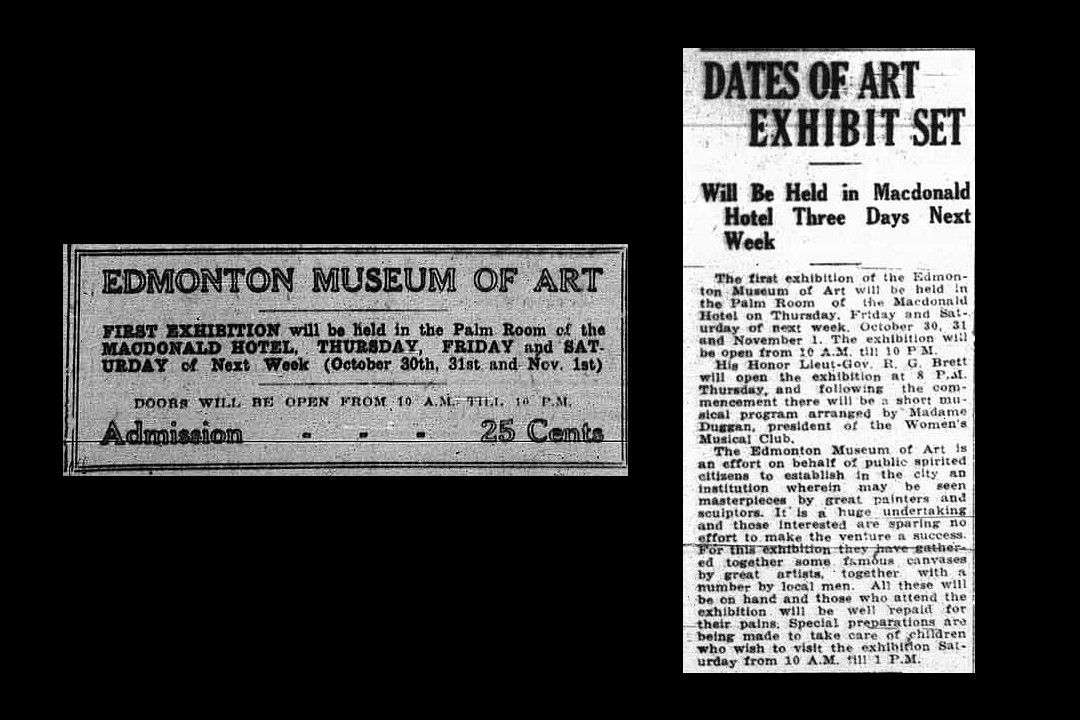
A moment in history: Oct. 25, 1924
On this day in 1924, the Edmonton Museum of Art opened its first exhibition.
 edmonton.taproot.news
IanO
Superstar
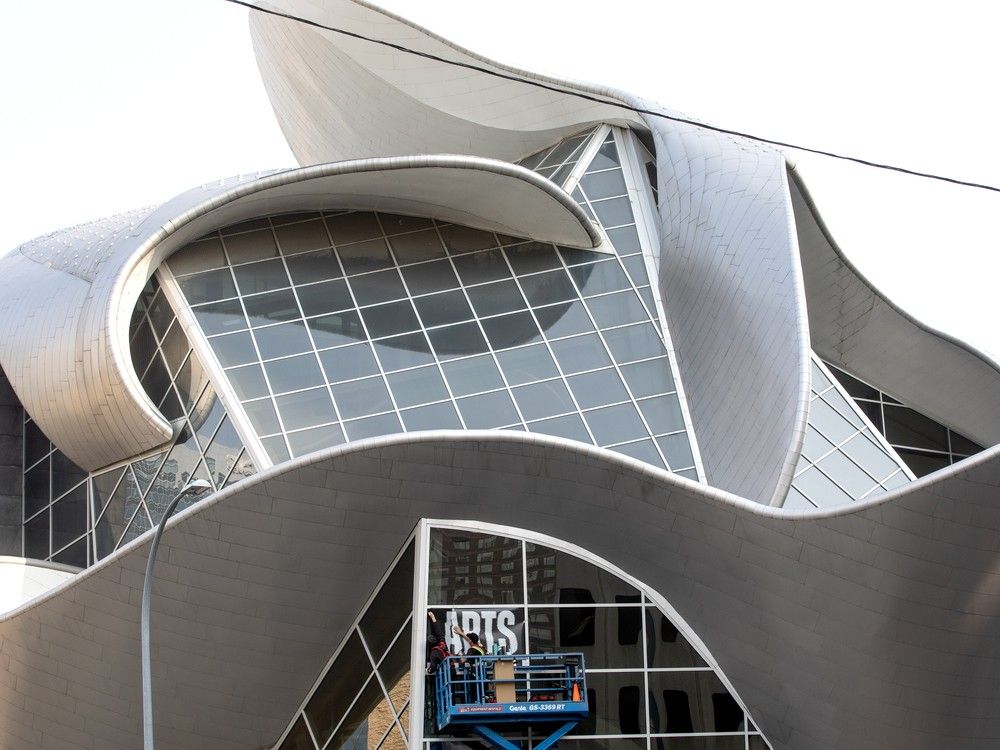
'Devastating': Edmonton's Art Gallery of Alberta aims to revive dwindling membership numbers
Fundraisers and drives are bringing back numbers, but the Art Gallery of Alberta is still thousands of members away from pre-pandemic levels.
 edmontonjournal.com
trevorhayden
Active Member
Please post text for non-subscribers.
Friendmonton
Active Member
The never-ending construction in that area certainly hasn’t helped. Was hoping the Valley Line might bring more people in, though.
David A
Senior Member
It is not just construction nearby, but also construction elsewhere that makes it hard to get downtown from places without LRT yet. For instance, from the west end.The never-ending construction in that area certainly hasn’t helped. Was hoping the Valley Line might bring more people in, though.
trevorhayden
Active Member
The AGA is also very expensive to visit and under-sized for a city of 1.5 million.

ChazYEG
Senior Member
Please post text for non-subscribers.
When the renovated Art Gallery of Alberta (AGA) opened in 2010, it brought out both art enthusiasts and those who wanted to see what this curvy architectural curiosity looked like on the inside. In that first year, the gallery attracted around 111,000 visitors, including 10,000 on its opening weekend.
The number of members stood at around 12,000.
How times have changed. The 2024 AGA annual report pegged the membership numbers at 3,573, or just a little more than a quarter of the numbers from when the gallery was shiny and new.
“It’s devastating that people aren’t going,” said Adrienne Stewart, the co-chair of Women for the AGA (WAGA), a group of 10 who formed in the spring with the goal of bringing the membership numbers to 10,000. “I don’t want to live in a city that doesn’t have a beautiful art gallery.”
As of today, WAGA’s efforts have helped raise membership numbers to 6,000, thanks to efforts from hosting gala nights to working their community connections.
Stewart and co-chair Teresa Melton said that Edmontonians need to “rediscover” the gallery.
Courtney Higgins, the head of marketing and communications for the AGA, said there are a number of factors at play when it comes to the membership drop-off. And a lot of it has to do with location, location, location.
“In the last 15 years, a lot has changed in the city,” said Higgins. “There’s been ongoing major construction and changing conditions Downtown. It has affected accessibility not only to the AGA, but are colleagues in the Arts District are noticing reduced visitation.”
It’s echoed by Melton. Currently, construction has cut off access to the gallery from 104 Avenue, and renovations in the Downtown Library Parkade have created more barriers. It’s not even that comfortable to be a pedestrian with all of the barricades that are up in the area.
“The city has to improve access to the theatre district,” said Melton.
Susie Chmait, spokesperson for the neighbouring Citadel Theatre, agreed that construction interruptions in the area are having an effect on patrons.|
“Like other organizations in the Arts District, the Citadel has experienced some challenges related to ongoing construction and shifting access points Downtown,” said Chmait. “These changes can create barriers for some patrons, particularly around parking and navigating the area, and we’re mindful of the effect this may have on attendance and the overall visitor experience.
“We continue to work closely with the City of Edmonton to navigate these concerns, and we appreciate their ongoing efforts to improve infrastructure and accessibility in the district. We remain committed to keeping our audiences informed, supporting them in planning their visits, and ensuring their experiences at the Citadel are as smooth and welcoming as possible.”
Article content
Increases in other areas
Understand that the decline in AGA memberships comes in a time when other arts and cultural attractions in the city are showing noticeable increases in attendance and members.A 2023 report from the Valley Zoo indicated that attendance numbers had risen 58 per cent since the opening of the Arctic Shores exhibit area back in 2012. The City of Edmonton tracks attendance numbers at the zoo, the Muttart Conservatory and the John Janzen Nature Centre. Despite our 2025 summer being unusually cool and wet, the three attractions drew 248,490 visitors from June-August of this year, a new high since COVID, and up from 237,346 over the same time frame in 2024.
The Telus World of Science’s 2024 annual report pegged annual attendance at more than 575,000. The TWOSE had 32,967 members. Compare that to pre-COVID days, when TWOSE’s annual visitor rate was in the range of 365,000 a year, and memberships were between 18,000 and 19,000.
As Higgins pointed out, the TWOSE and the three Edmonton attractions aren’t in the core. They have ample parking, and they don’t have the stigma of Downtown when it comes to the perception of lack of safety.
She said a healthy gallery makes for a healthier downtown.
“AGA’s success is connected to a thriving Arts District and the revitalization of Downtown,” said Higgins. “And, going back to the membership piece, we think a membership increase will help increase Downtown traffic. And when we have conversations at member events, we hear from people coming in from Fort Saskatchewan, they’re coming in from the suburbs, they’re coming in from Summerside. They’re making a day of it. They’re not just coming to the AGA. They’re going to grab a coffee at L’Espresso or going to Rosewood or they’re going to the library.”
There may be one counterpoint, out there. The province tracks attendances of all its major museums and attractions, including the Royal Alberta Museum, which is only a couple of blocks away from the AGA. Currently, attendances are publicly available up to May of this year. For the first five months of 2025, the lowest month was April, which still saw more than 11,500 people come through the museum’s doors. February saw more than 20,000 visitors. For the first five months of 2025, attendance at provincial museums was up 4.4 per cent over that same time period in 2024.
But, the museum is north of the construction barriers that cut the gallery off from the main 104 Avenue thoroughfare. So, while it’s only a couple of blocks from the AGA, it feels like it’s a world away.
The COVID effect
“COVID shifted the way I go outside. It’s so easy to be insular,” said Melton.Melton isn’t alone, COVID saw many of us choose Netflix and Amazon Prime over nights out on the town. Instead of candlelight dinners, it’s Uber Eats. We got very comfortable living our best Lebowski lives. COVID was followed by skyrocketing inflation, which assaulted our discretionary spending. Nights out became fewer and far between. When a pot roast is north of $30 at even the cheapest of the grocery discounters, something has to give.
And Stewart said our insular lives is leading us to doomscroll through Instagram or binge watch Netflix. We tune in and tune out. Going to the gallery is different.
“You have to put the work in to connect to art,” she said.
The AGA’s 2024 operating budget was close to $6.5 million. Grants accounted for about $3 million of that, while fundraising efforts brought in about another $1.8 million. Admissions brought in less than $200,000, and memberships accounted for about $115,000. They aren’t big parts of the budget on their own.
But Higgins said that increasing memberships increases leverage. It means more visits to the gift shop. And, members are often the biggest advocates for the gallery, and become key parts of the fundraising campaigns. So, yes, there is crossover when it comes to number of members who support an arts organization and that organization’s ability to sell tickets to gala events and mobilize people for fundraising drives.
In 2018, the AGA introduced free admissions for those under 18. Also, the gallery is free for all on the final Thursday evening of each month. The free evenings are so popular, they make up half of the gallery’s total attendance. The rationale was to make the AGA more accessible, to strip art of the snobbery and make it something for everyone to enjoy. Higgins said there’s a realization that these initiatives likely put downward pressure on memberships.
“It’s kind of a double-edged sword,” said Higgins. “We’re opening up the gallery and making it more accessible, but we believe it did have an effect on our family membership sales.”

thommyjo
Senior Member
Personal anecdote that I’m sure doesn’t represent a massive shift in numbers, but maybe some:When the renovated Art Gallery of Alberta (AGA) opened in 2010, it brought out both art enthusiasts and those who wanted to see what this curvy architectural curiosity looked like on the inside. In that first year, the gallery attracted around 111,000 visitors, including 10,000 on its opening weekend.
The number of members stood at around 12,000.
How times have changed. The 2024 AGA annual report pegged the membership numbers at 3,573, or just a little more than a quarter of the numbers from when the gallery was shiny and new.
“It’s devastating that people aren’t going,” said Adrienne Stewart, the co-chair of Women for the AGA (WAGA), a group of 10 who formed in the spring with the goal of bringing the membership numbers to 10,000. “I don’t want to live in a city that doesn’t have a beautiful art gallery.”
As of today, WAGA’s efforts have helped raise membership numbers to 6,000, thanks to efforts from hosting gala nights to working their community connections.
Stewart and co-chair Teresa Melton said that Edmontonians need to “rediscover” the gallery.
Courtney Higgins, the head of marketing and communications for the AGA, said there are a number of factors at play when it comes to the membership drop-off. And a lot of it has to do with location, location, location.
“In the last 15 years, a lot has changed in the city,” said Higgins. “There’s been ongoing major construction and changing conditions Downtown. It has affected accessibility not only to the AGA, but are colleagues in the Arts District are noticing reduced visitation.”
It’s echoed by Melton. Currently, construction has cut off access to the gallery from 104 Avenue, and renovations in the Downtown Library Parkade have created more barriers. It’s not even that comfortable to be a pedestrian with all of the barricades that are up in the area.
“The city has to improve access to the theatre district,” said Melton.
Susie Chmait, spokesperson for the neighbouring Citadel Theatre, agreed that construction interruptions in the area are having an effect on patrons.|
“Like other organizations in the Arts District, the Citadel has experienced some challenges related to ongoing construction and shifting access points Downtown,” said Chmait. “These changes can create barriers for some patrons, particularly around parking and navigating the area, and we’re mindful of the effect this may have on attendance and the overall visitor experience.
“We continue to work closely with the City of Edmonton to navigate these concerns, and we appreciate their ongoing efforts to improve infrastructure and accessibility in the district. We remain committed to keeping our audiences informed, supporting them in planning their visits, and ensuring their experiences at the Citadel are as smooth and welcoming as possible.”
Article content
Increases in other areas
Understand that the decline in AGA memberships comes in a time when other arts and cultural attractions in the city are showing noticeable increases in attendance and members.
A 2023 report from the Valley Zoo indicated that attendance numbers had risen 58 per cent since the opening of the Arctic Shores exhibit area back in 2012. The City of Edmonton tracks attendance numbers at the zoo, the Muttart Conservatory and the John Janzen Nature Centre. Despite our 2025 summer being unusually cool and wet, the three attractions drew 248,490 visitors from June-August of this year, a new high since COVID, and up from 237,346 over the same time frame in 2024.
The Telus World of Science’s 2024 annual report pegged annual attendance at more than 575,000. The TWOSE had 32,967 members. Compare that to pre-COVID days, when TWOSE’s annual visitor rate was in the range of 365,000 a year, and memberships were between 18,000 and 19,000.
As Higgins pointed out, the TWOSE and the three Edmonton attractions aren’t in the core. They have ample parking, and they don’t have the stigma of Downtown when it comes to the perception of lack of safety.
She said a healthy gallery makes for a healthier downtown.
“AGA’s success is connected to a thriving Arts District and the revitalization of Downtown,” said Higgins. “And, going back to the membership piece, we think a membership increase will help increase Downtown traffic. And when we have conversations at member events, we hear from people coming in from Fort Saskatchewan, they’re coming in from the suburbs, they’re coming in from Summerside. They’re making a day of it. They’re not just coming to the AGA. They’re going to grab a coffee at L’Espresso or going to Rosewood or they’re going to the library.”
There may be one counterpoint, out there. The province tracks attendances of all its major museums and attractions, including the Royal Alberta Museum, which is only a couple of blocks away from the AGA. Currently, attendances are publicly available up to May of this year. For the first five months of 2025, the lowest month was April, which still saw more than 11,500 people come through the museum’s doors. February saw more than 20,000 visitors. For the first five months of 2025, attendance at provincial museums was up 4.4 per cent over that same time period in 2024.
But, the museum is north of the construction barriers that cut the gallery off from the main 104 Avenue thoroughfare. So, while it’s only a couple of blocks from the AGA, it feels like it’s a world away.
The COVID effect
“COVID shifted the way I go outside. It’s so easy to be insular,” said Melton.
Melton isn’t alone, COVID saw many of us choose Netflix and Amazon Prime over nights out on the town. Instead of candlelight dinners, it’s Uber Eats. We got very comfortable living our best Lebowski lives. COVID was followed by skyrocketing inflation, which assaulted our discretionary spending. Nights out became fewer and far between. When a pot roast is north of $30 at even the cheapest of the grocery discounters, something has to give.
And Stewart said our insular lives is leading us to doomscroll through Instagram or binge watch Netflix. We tune in and tune out. Going to the gallery is different.
“You have to put the work in to connect to art,” she said.
The AGA’s 2024 operating budget was close to $6.5 million. Grants accounted for about $3 million of that, while fundraising efforts brought in about another $1.8 million. Admissions brought in less than $200,000, and memberships accounted for about $115,000. They aren’t big parts of the budget on their own.
But Higgins said that increasing memberships increases leverage. It means more visits to the gift shop. And, members are often the biggest advocates for the gallery, and become key parts of the fundraising campaigns. So, yes, there is crossover when it comes to number of members who support an arts organization and that organization’s ability to sell tickets to gala events and mobilize people for fundraising drives.
In 2018, the AGA introduced free admissions for those under 18. Also, the gallery is free for all on the final Thursday evening of each month. The free evenings are so popular, they make up half of the gallery’s total attendance. The rationale was to make the AGA more accessible, to strip art of the snobbery and make it something for everyone to enjoy. Higgins said there’s a realization that these initiatives likely put downward pressure on memberships.
“It’s kind of a double-edged sword,” said Higgins. “We’re opening up the gallery and making it more accessible, but we believe it did have an effect on our family membership sales.”
- the art gallery isn’t really geared towards kids and families in any way. Whereas the museum, zoo, and TWOS all mentioned in the article likely see strong membership simply by having families coming out a few times a year. Most of my friends and I with kids have 1-2 memberships to these places cause they provide good value and with kids under 5, you need stuff to do! I wonder if that’s an opportunity for the AGA to expand its offerings/membership in?
trevorhayden
Active Member
Yea it would be great if the AGA had more space for kids programming like if it was expanded to take over Chancery Hall.

archited
Senior Member
Here's the deal -- again.. the City is selling two of its properties in the central core -- Century Place and Chancery Hall; they should look at a kind-for-kind swap with the Province whereby the Province would cede both the Old RAM and the (now demolished) Remand Centre site to the City in exchange for the two buildings that the City is trying to divest itself of. The City could then sell the Remand site to Qualico for an extension of their mini-City complex that would also include the bridge over 97th Street plus the connection to LRT at 97th street; and the City could sell the old RAM site to Beljan/Remimagine/1st Nations (imaginative reuse project). The Province could then tie the Century Place tower to a new Family Court Project (proposed as an election promise to Edmonton) and Chancery Hall could be reworked as an expansion project for AGA -- everybody wins!