News   Apr 03, 2020
 9.1K     3 
News   Apr 02, 2020
 10K     0 
News   Apr 02, 2020
 3.3K     0 

Arc Smart Fare System

i'm betting just tap on for everything, given that's how current tickets work (we don't have to put our tickets in a special bin when disembarking the LRT, for example) but that does really beg the question about why there are readers at the rear doors on busses. rear0door loading someday?
That's a really good question, @mcr , thanks for bringing it up! I'm curious now too.
 
i'm betting just tap on for everything, given that's how current tickets work (we don't have to put our tickets in a special bin when disembarking the LRT, for example) but that does really beg the question about why there are readers at the rear doors on busses. rear0door loading someday?
That's a really good question, @mcr , thanks for bringing it up! I'm curious now too.
Swipe on will definitely be needed everywhere, which makes sense. It's more the swipe-off requirements that can complicate the system that I'm very curious about. Vancouver's buses do allow for rear-door loading by having a machine at that door as well, so that part would make perfect sense.
 
Is the swipe off for doing fares based on zones? Then it can track your distance.

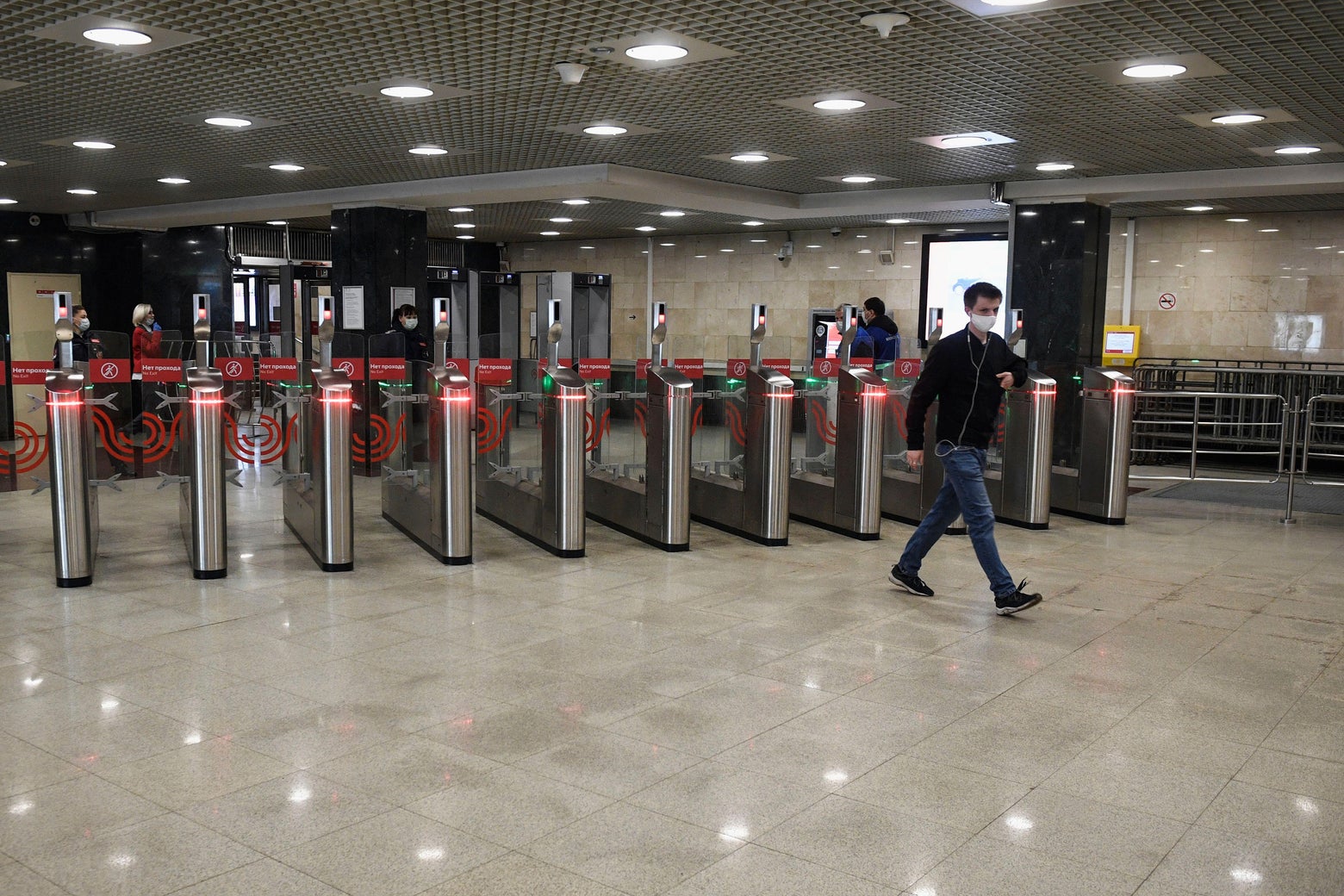
Or are the back door readers just so people can load both front and back doors? I've seen that in some cities.
 
This is the graphic on the city's website, but I don't know if it's just a concept or not.
Screenshot_20210824-082609_Chrome.jpg
 
If we only had to tap on, would the data still help transit planners? My understanding is that they're looking forward to being able to see which categories of people (adult fare users, students, seniors, etc) use which routes and stops the most. If they can't tell how popular certain stops or stations are for riders, would that lessen the utility of the data? Or is there still a way for them to collect that info without requiring people to tap off? I guess they could still have that data breakdown for routes, but I bet they'd like to see that for stops/stations as well.
 
Is the swipe off for doing fares based on zones? Then it can track your distance.

Or are the back door readers just so people can load both front and back doors? I've seen that in some cities.
I'd assume it's for fare zones, yeah. The way Vancouver did this was that all buses are 1 zone (so you only have to scan on), but the additional modes (SeaBus and SkyTrain, for example) are multi-zone, so you have to scan on & off. But they're set up in such a way that you can't even enter / exit the station without scanning, with multiple turnstiles. Whereas what we're seeing so far in pictures for Edmonton is a few randomly placed scanners. I worry it will get confusing at best, or be a total mess as people try to scan both in and out in a giant group huddled around the machines, or buses taking forever to unload at popular stops as people line up to scan out the back door. Fingers crossed I'm over thinking it and the system works great, though!
 
The UofA isn't handing out smart cards yet, but Grant Mac is. My friend goes there and she was part of the pilot. She's getting a new one today as well. Apparently the lag issues that someone reported aren't a one-off. This is apparently because students need to register their upass on an app or website (looking at the info on the school websites, I think each school has their own program but could be wrong). This means that the 'tap' needs to go through additional servers to be processed, before it is marked as accepted.
 
The website was changed again today. Big changes include (in no particular order):

1. The timeline phases are no longer 'Pilot (summer 2021)' (recently changed to fall 2021), 'phase one (fall 2021)', and 'phase two (2022)'. The pilot was originally a small group of select adult fare users, U-Pass users, and staff. Phase one was those same groups, but *anyone* who was in those groups. There are still three groups, but two of them are different. The first is 'Early Launch', which just includes all U-Pass users since all U-Pass member schools made the switch. The second phase is 'Pilot test- starting 2021)', which "will include the first group of riders to be eligible to use the full Arc system." The groups aren't specified anymore, so I'm guessing it'll still be adult-fare users and transit staff. The third group, phase two, remains unchanged.

2. The "pilot test" will include all seven participating transit services, rather than the 'big three' as before. I'll need to check with FST's director, because last we talked he said that the Fort wouldn't likely start until early 2022 due to delays getting the vending machine and card scanners. I wish they could redirect one vending machine from the Valley Line to Fort Sask, since FST will only get one anyways. But, c'est la vie.

3. The website no longer references a special call centre or myArc.ca, but the latter is still a working redirect to the ETS page.

4. The blue infobox at the top of the page no longer references the month of August, or any other month for that matter. It now says "If you submitted an application to be a volunteer, please continue to buy your fare product as you normally would (tickets, passes, and so on) until we contact you by email."

 
Macewan began distributing Arc cards yesterday, and Norquest's website still gives a date in the last half of August as when distribution began. So since NAIT is handing out student ID/Arc card hybrids, this leaves the UofA as the last UPass institution which has yet to begin the Arc rollout.
 

Back
Top