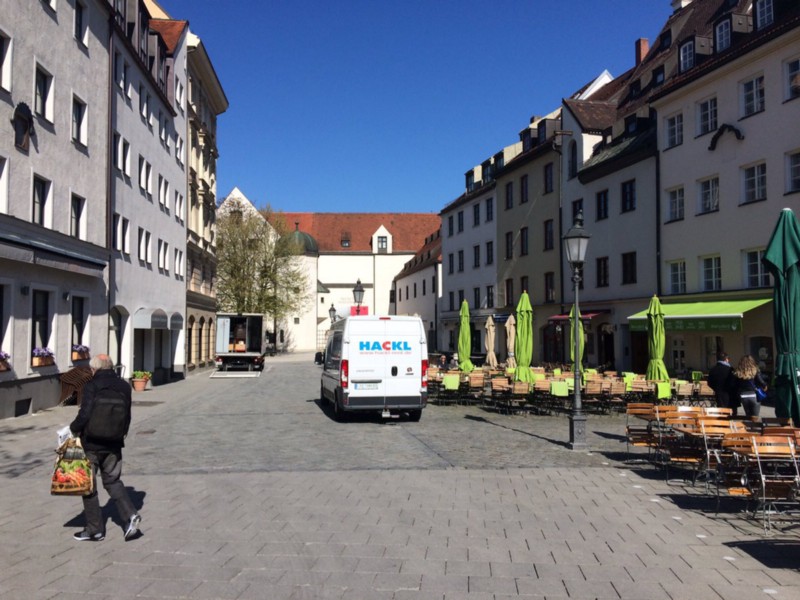
One of the more, ummm, interesting complaints about new buildings is that they are “too boxy”–as if their form is somehow foreign and boxy buildings are nonexistent in the history of the city. I find this complaint interesting because the urban morphology of this city, as with most other cities, is rooted in box-shaped buildings. The sad reality is that we don’t have enough dumb boxes today. Our present land use code makes dumb boxes illegal to build in most of the city. The singular exception to that is in single-family zones and the lowest of the lowrise zones , which is where we see these types of forms most often.
I say this is a sad reality because “dumb boxes” are the least expensive, the least carbon intensive, the most resilient, and have some of the lowest operational costs compared to a more varied and intensive massing. Given the housing and climate crises we presently face , it would behoove us to move towards legalizing dumb boxes in more of the city.
Before the zoning ordinance was passed in 1923, the restrictions on building form were few and far between. In looking at the pre-zoning buildings in my block –the vast majority of them are simple boxes. The facade isn’t modulated, there aren’t awkward recesses , and these buildings weren’t encumbered with useless setback requirements. Of course, it makes sense that builders built in this manner , it was the most cost-effective and allowed the builder to make flourishes on the street-side facade if desired or budget allowed. It’s also important to point out what else these buildings didn’t have to comply with: classist density limits, SEPA, reduced lot coverage limits, parking requirements, and modulation.